April 8, 20268 min read
AI agentsProductInterfacesSystems
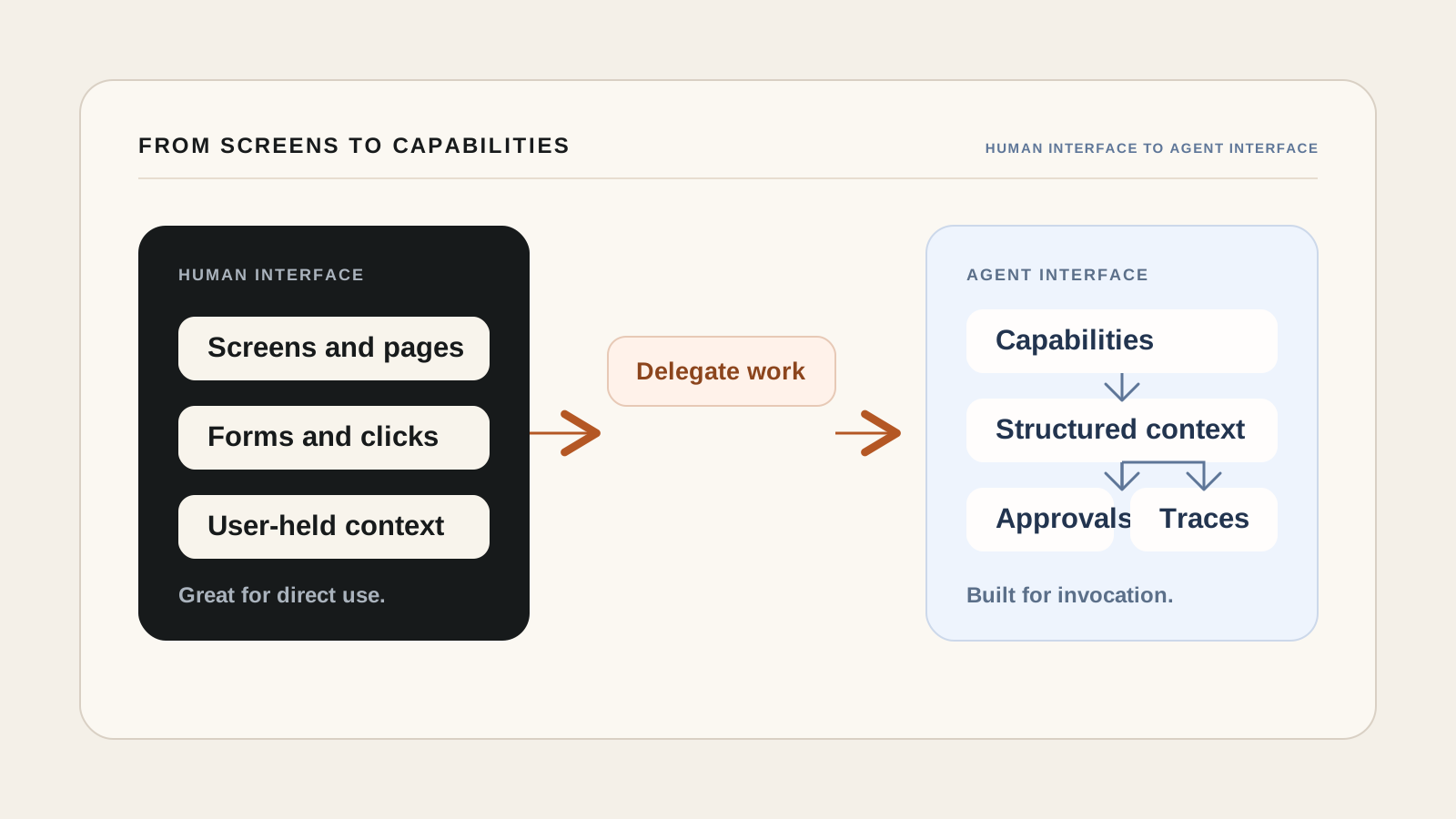
We are moving from human interfaces to agent interfaces
Software is starting to serve two users at once: the human on the screen and the agent invoking capabilities behind it. That changes what good product and system design look like.
What changes when software stops being designed only for humans and starts serving agents too?
Good systems need more than polished screens. They need invocable capabilities, structured context, permission boundaries, observability, and explicit points where a human can approve, redirect, or recover the workflow.
April 8, 20267 min read
KenyaCredit AIFintechAI governance
What trustworthy credit AI should look like in Kenya
In Kenya, credit AI will only deserve trust if it uses proportionate data, explains decisions in plain language, respects uncertainty, and gives borrowers a real path to question harmful outcomes.
What makes credit AI trustworthy in the Kenyan lending context?
A trustworthy system uses proportionate data, explains decisions in plain language, accounts for thin-file uncertainty, and gives borrowers a real way to review or challenge harmful outcomes.
March 31, 20265 min read
CoinscentricFintechTrust
What trust looks like in Coinscentric
Coinscentric is not being shaped around finance dashboards first. It is being shaped around helping users feel oriented, informed, and supported enough to trust the product with real financial decisions.
How does Coinscentric turn trust from an abstract fintech principle into an actual product direction?
By treating clarity, financial education, advisor access, and explainable insight as core product surfaces instead of secondary features.
March 18, 20263 min read
Founder-side engineeringProduct strategyDelivery
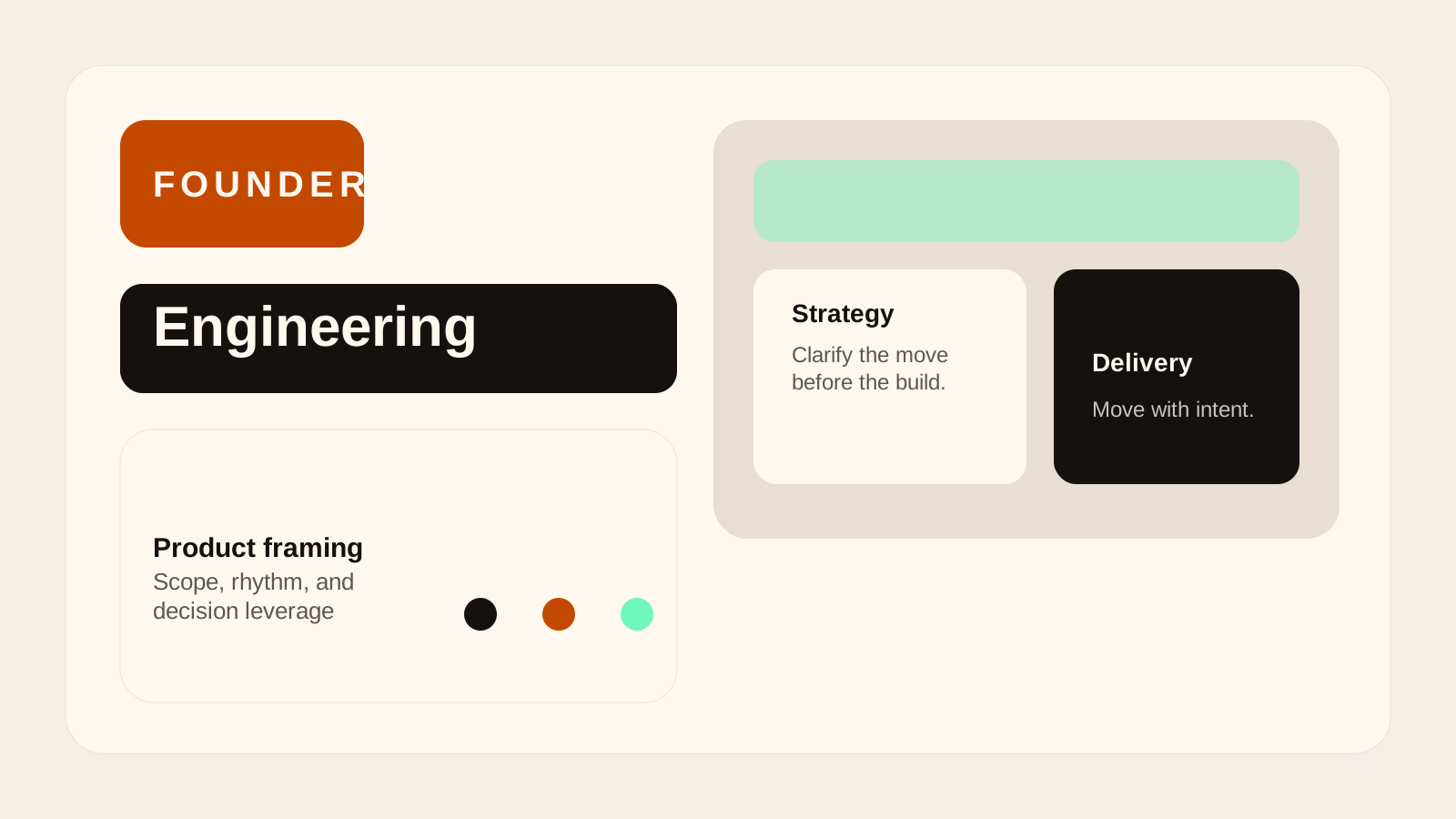
Founder-side engineering is more than shipping faster
The best founder-side engineers do not just write code quickly. They reduce ambiguity, protect momentum, and turn rough ambition into a product direction the whole team can execute.
What does founder-side engineering actually mean in practice?
It means acting as a technical builder who can shape scope, product direction, and execution rhythm, not just close tickets faster than everyone else.
March 12, 20263 min read
FintechProduct designTrust
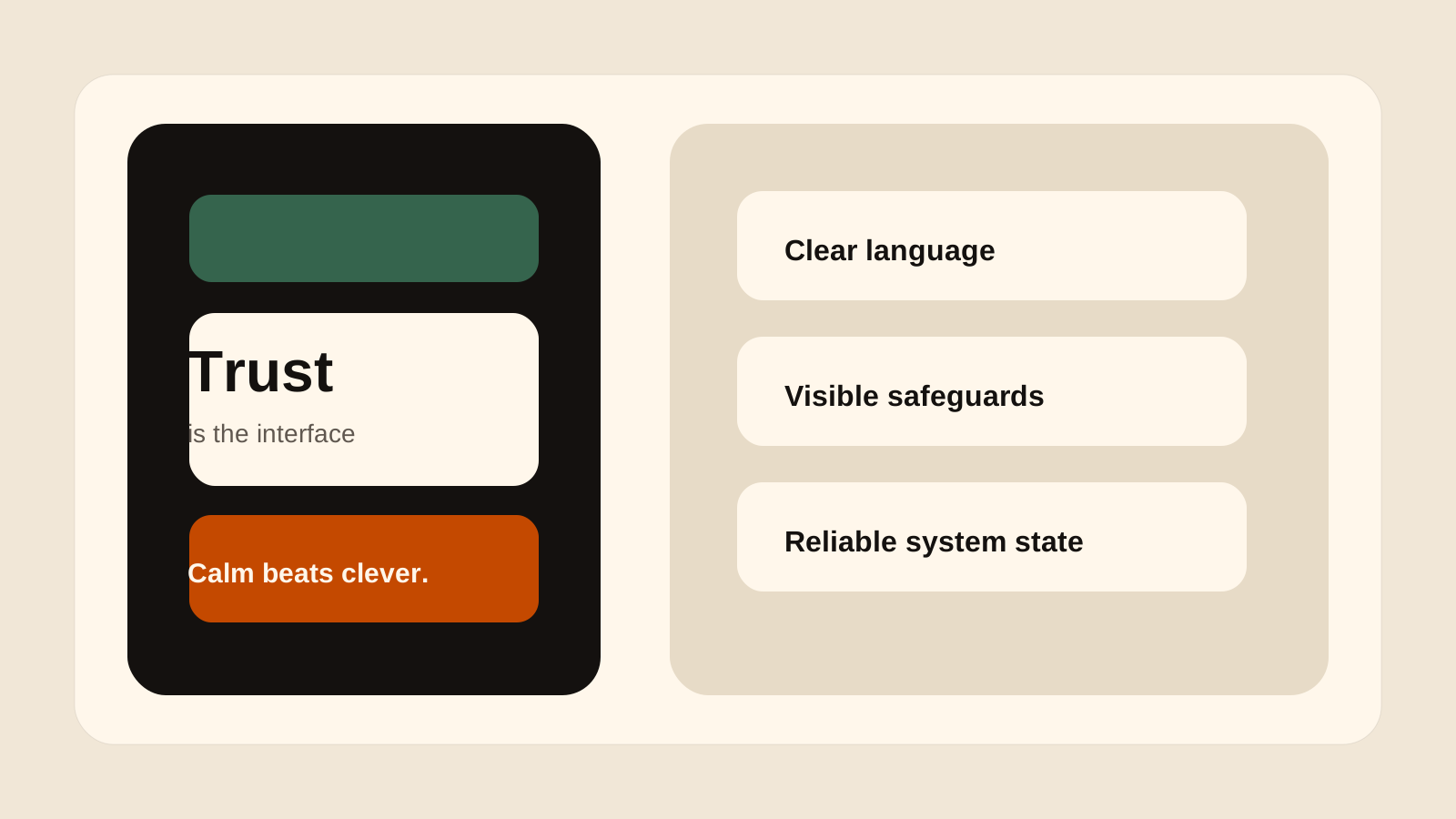
Trust is the real interface in fintech products
In fintech, users are not only evaluating features. They are deciding whether the product deserves access to their money, habits, and attention. Trust is part of the interface.
What makes fintech products feel trustworthy before a user has any history with them?
Clear language, predictable flows, visible safeguards, and calm design do more for trust than complex feature sets or aggressive growth mechanics.
March 5, 20263 min read
ConsultingTechnical leadershipAdvisory
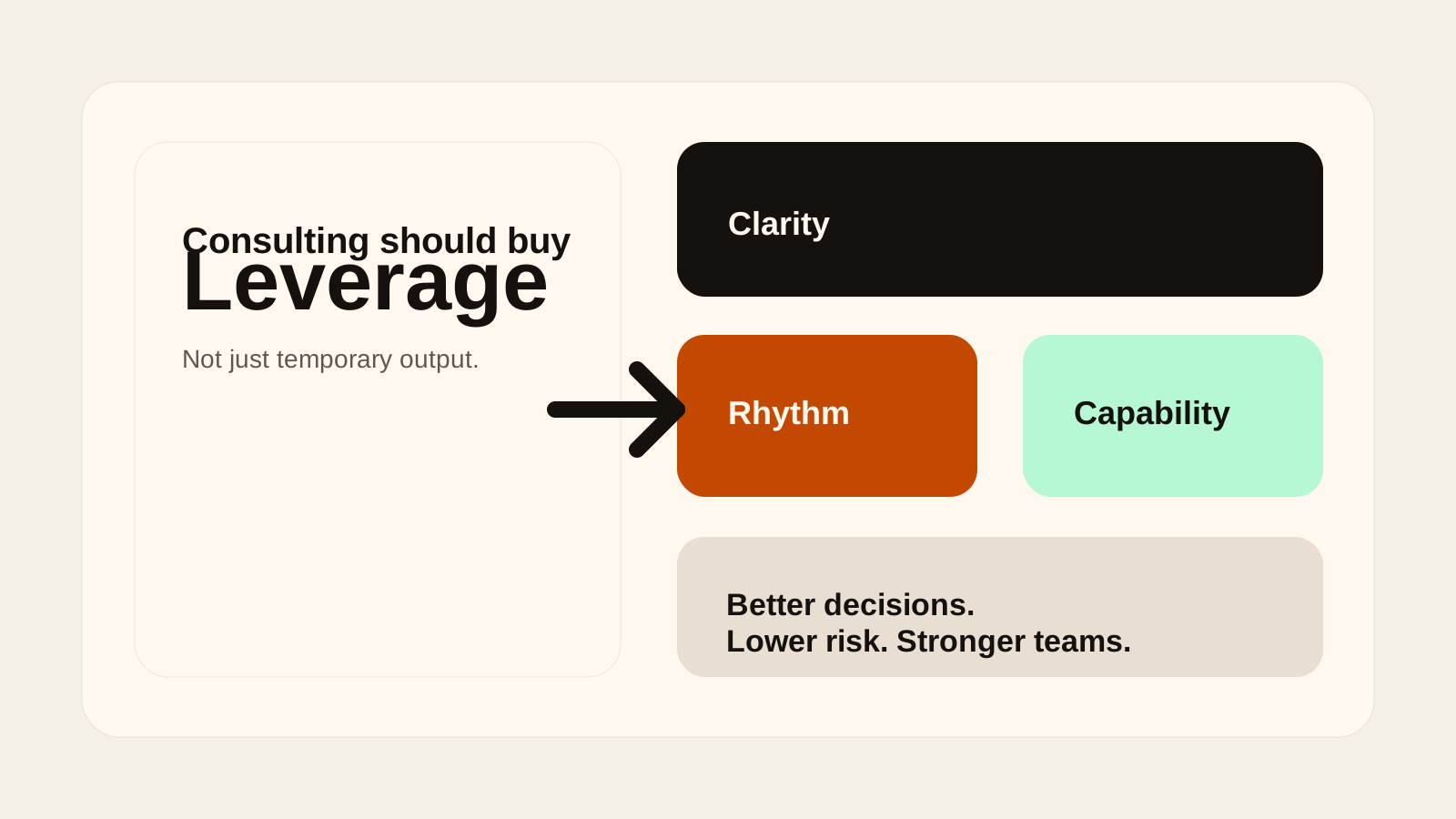
What consulting should actually buy a team
A good consulting engagement should create clarity, speed, and stronger internal capability. If it only produces documents or temporary output, the team paid for motion instead of leverage.
What should a technical consulting engagement deliver beyond implementation?
It should improve decision quality, reduce execution risk, and leave the team with a stronger operating rhythm than they had before the engagement started.