Fintech products are easy to over-design in the wrong direction.
Teams often focus on features first: transfers, dashboards, spending graphs, rewards, lending hooks, investment widgets. Those things matter, but they are not what makes a person trust a money product on first contact.
Trust is usually built much earlier, in the moments where the product explains itself.
Money products are read differently
People do not read fintech interfaces the way they read social or entertainment products. They scan for risk.
They want to know:
- what the product is doing
- where their money is going
- whether they can reverse a mistake
- whether the system is trying to confuse them
That means design choices that might feel "lightweight" elsewhere become high stakes in fintech. Vague copy, hidden fees, cluttered flows, and overloaded dashboards all weaken confidence.
Calm beats clever
One of the easiest mistakes in financial product design is chasing novelty when the product really needs clarity.
If the user is trying to understand spending, savings, borrowing, or transfers, the interface should feel calm:
- simple hierarchy
- obvious next actions
- plain language
- visible constraints
- clear feedback after every meaningful action
When a team gets this right, users feel oriented. When they get it wrong, users hesitate, abandon the flow, or keep the app installed without actually trusting it enough to rely on it.
Education is part of the product
This matters even more in markets where financial literacy and digital trust vary widely across users.
For many teams, the winning move is not adding more financial complexity. It is building a better layer of interpretation:
- what the numbers mean
- what changed this week
- why a recommendation matters
- what action is worth taking next
That is one reason I keep coming back to financial products that combine tooling with guidance. A balance chart is not automatically insight. A recommendation engine is not automatically useful. The product has to teach without patronizing.
Trust is operational too
The interface is only one layer. Trust is also shaped by the system behind it.
If notifications are delayed, balances look inconsistent, support is slow, or an account state feels unclear, the design cannot save the experience. Users do not separate brand, interface, and operations. They experience all of it as one product.
That is why fintech product work has to stay close to engineering and operations. The cleanest screen in the world will still fail if the system feels unstable.
What strong fintech teams do differently
The teams that build lasting trust usually have a few habits in common:
- they remove ambiguous language
- they make transaction states obvious
- they explain tradeoffs before users discover them the hard way
- they avoid pushing features that look advanced but weaken confidence
The result is not necessarily a louder product. Usually it is a calmer one.
The real interface is confidence
In fintech, the product is not only helping people move money. It is asking for belief.
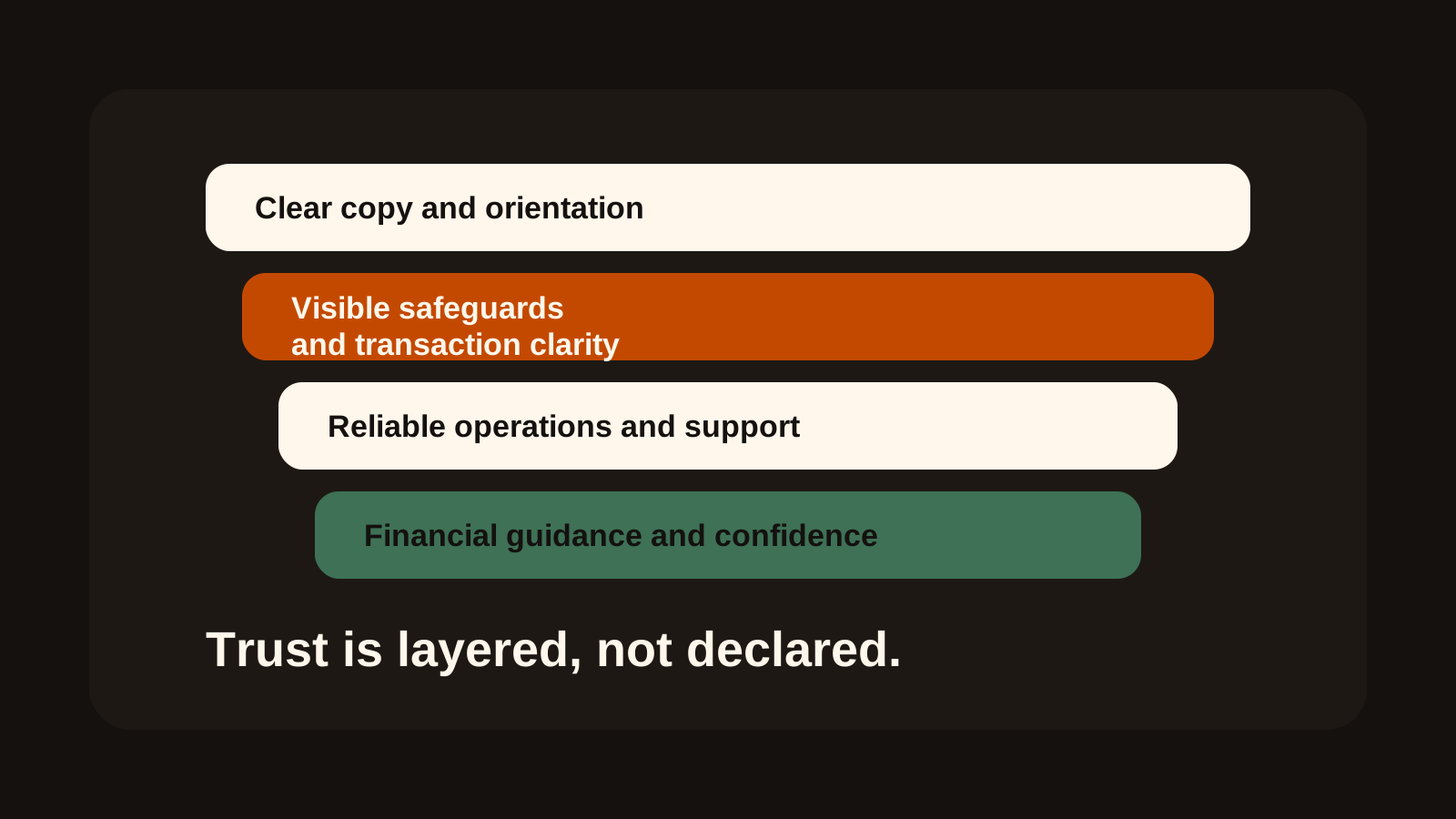
That belief is earned through hundreds of small decisions: language, latency, state clarity, supportability, education, and consistency.
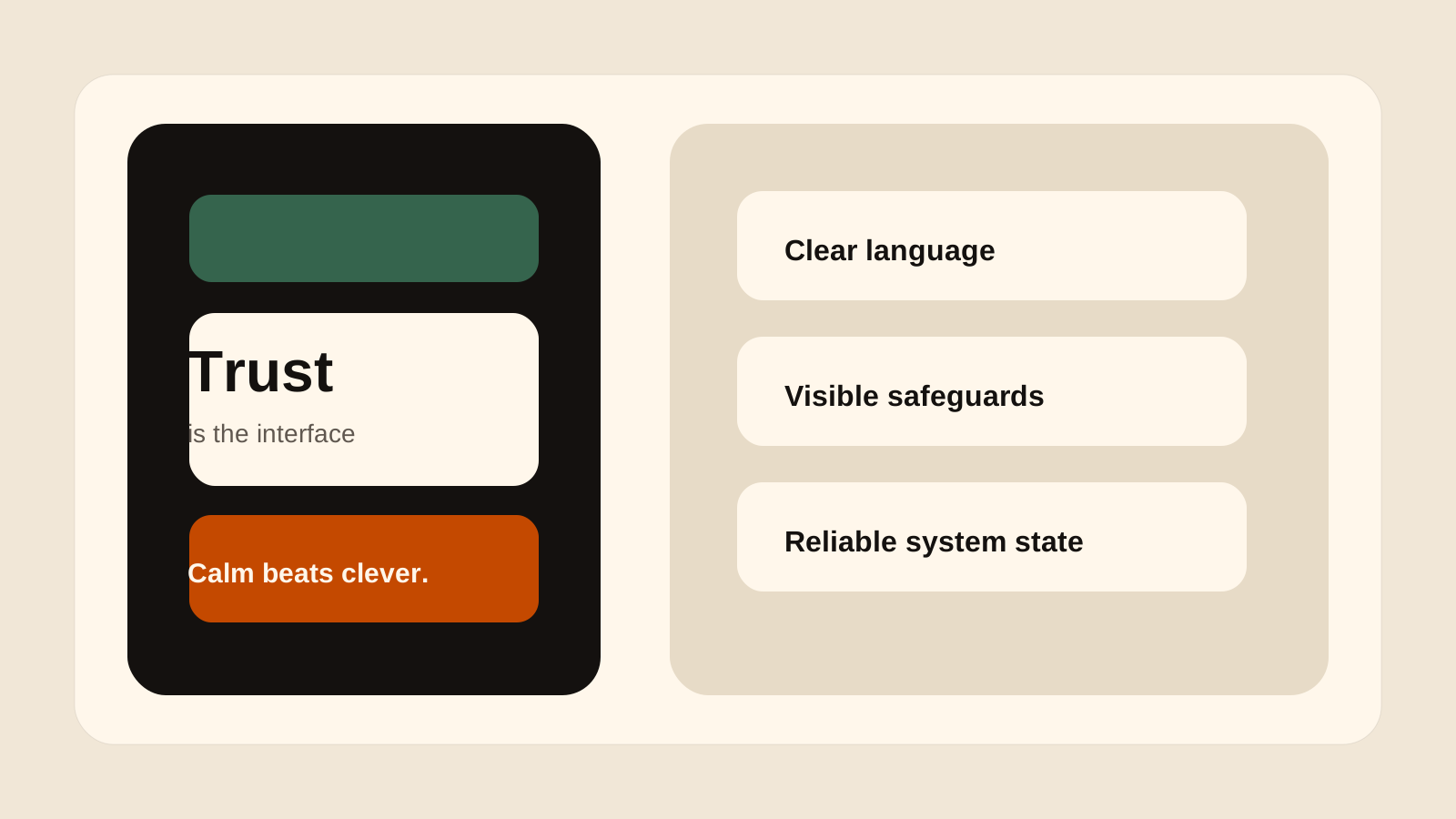
That is why I think trust is the real interface. If the user does not feel safe, the rest of the product stack does not matter nearly as much as the team wants to believe.