Many consulting engagements are framed too narrowly.
The client says they need a landing page, an app, an architecture review, a rescue sprint, or a delivery lead. Those asks are real, but the best consulting work rarely stops at the visible artifact.
If a team is paying for outside help, the engagement should buy them more than output. It should buy them better execution conditions.
Delivery is only one layer
Teams usually reach for consulting when something important needs to move faster, cleaner, or with less risk. That might look like:
- a founder who needs senior technical judgment quickly
- a delivery team that keeps missing the real bottleneck
- a product that works in pieces but not as a system
- a launch that feels close, but still unstable
In each of those cases, the visible deliverable matters. But the deeper value is usually in diagnosis and direction.
What the engagement should change
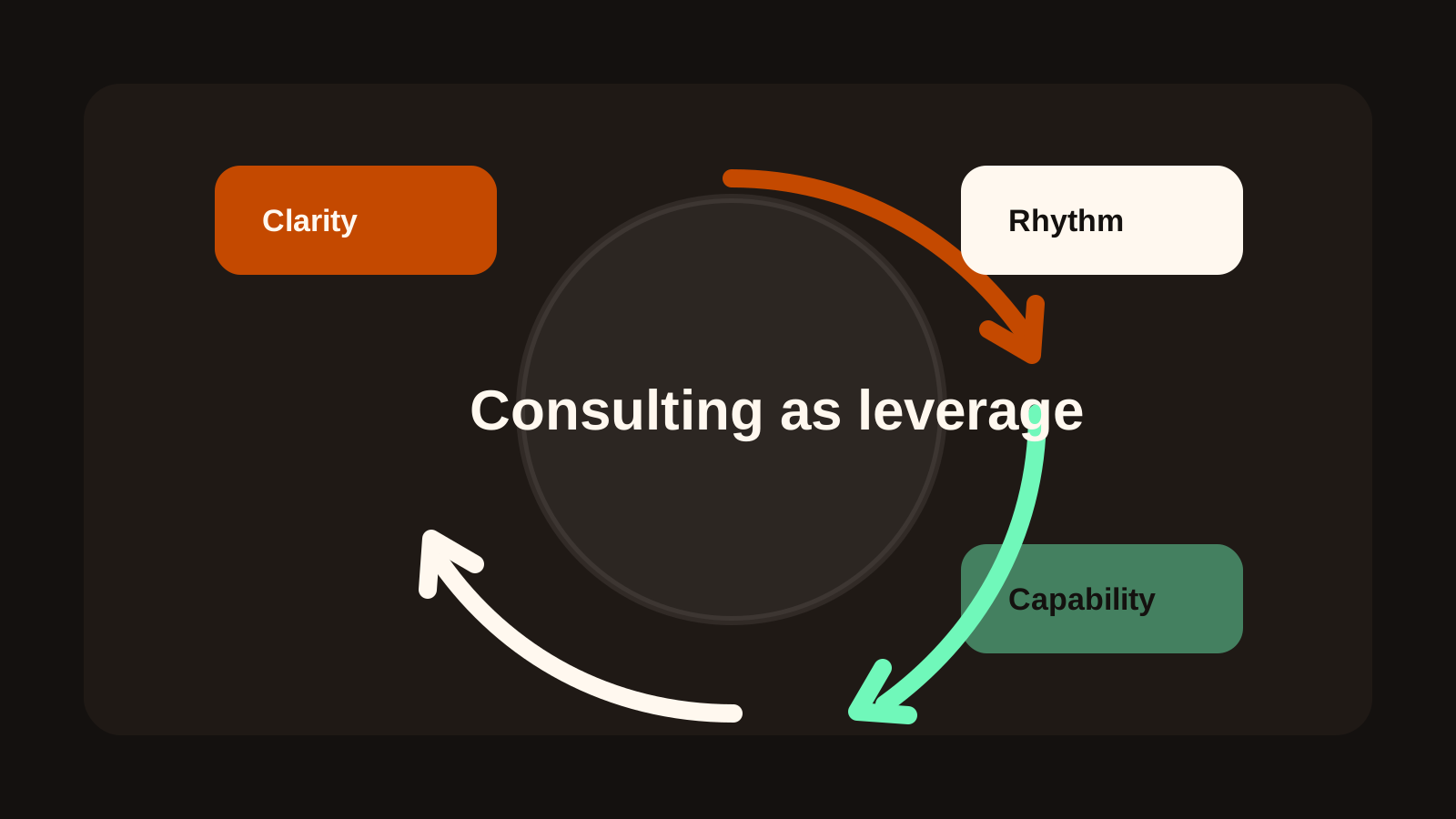
By the time a consulting engagement ends, three things should be better:
- The team should understand the problem more clearly.
- The path to delivery should be more realistic.
- Internal execution should feel calmer and more coordinated.
If none of that changed, then even solid implementation may have been a shallow win.
Good consulting reduces uncertainty
The reason strong consulting matters is not that consultants are magical. It is that outside perspective can compress uncertainty quickly when the team is too close to the problem.
Sometimes that means:
- identifying that the architecture is not the actual bottleneck
- reducing a bloated scope to a credible release plan
- untangling product requirements that were never properly separated
- creating a cleaner handoff between design, engineering, and operations
This is why I think consulting should be measured by decision quality as much as delivery volume.
The team should not leave weaker
One red flag in consulting is when the work creates dependency as the main source of value. That might be good for short-term revenue, but it is weak product thinking.
A better engagement leaves the team stronger:
- better documentation where it matters
- clearer ownership
- more useful technical standards
- sharper review culture
- better visibility into risk and sequencing
Even if the client wants hands-on execution, the work should still raise the team around it.
What I care about in advisory work
The consulting work I enjoy most usually sits in one of three lanes:
- founder-side product and technical direction
- architecture and delivery review under real business pressure
- execution support where the team needs a builder who can also think commercially
The common thread is that I do not see consulting as detached advice. I like work where strategy and execution are close enough to influence each other.
The result should feel like leverage
At the end of a healthy engagement, the team should feel more capable, not just relieved.
There should be clearer priorities, fewer false starts, stronger technical choices, and a product direction that feels more defensible than when the work began.
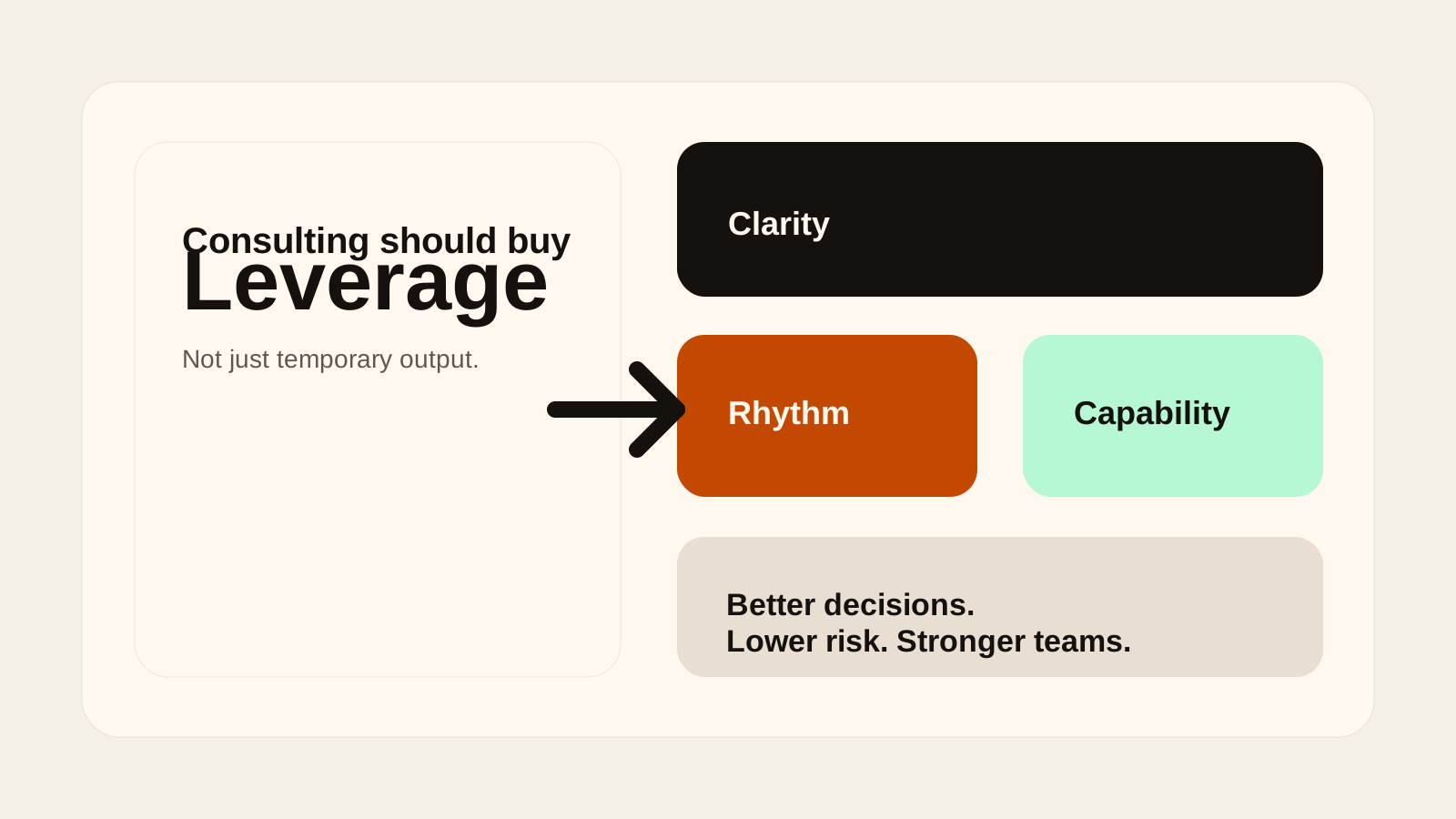
That is what consulting should buy: leverage, not just labor.